
What Is Speech and Language Delay?
Speech and language delay occurs when a child’s communication skills develop more slowly than expected for their age. This can affect how a child produces sounds, uses words, understands language, and integrates these skills to communicate with others.
The first three years of life are the most intensive period for acquiring speech and language skills, as the brain develops and matures rapidly during this period. When a child doesn’t meet expected communication milestones, they may require additional support. Speech delay refers to challenges with producing sounds and words clearly, while language delay involves difficulties understanding or using words to express thoughts and needs.
What is the Difference Between Speech Delay and Late Talker?
A late talker is a toddler aged 18-30 months who demonstrates a good understanding of language, age-appropriate play, motor, cognitive, and social skills, but has a limited spoken vocabulary for their age. These children typically understand well, can point to objects, and use gestures to communicate, but they may struggle to express their wants and needs verbally. Many late talkers catch up on their own without intervention, particularly when they have strong receptive language skills and engage well with other children and adults.
Why Early Speech and Language Development Matters?
Early intervention makes a significant difference in a child’s developmental trajectory. Research shows that intervention proves more effective when it occurs earlier in life, as the brain capacity for learning and adaptation is greater during these formative years. Children who receive timely support are more likely to develop effective communication skills, which are fundamental for building relationships and engaging with peers.
When speech and language challenges are identified early, children can access targeted support that addresses their unique needs before difficulties compound. Strong communication skills support academic success, social integration, and emotional well-being. Children who can express themselves effectively experience less frustration and isolation, whereas those who struggle may face challenges that extend beyond communication to learning and social participation.
How Common are Speech and Language Delays in Children?
Speech and language delays affect a notable proportion of children in the UK and globally. Research indicates that 13.5% of children aged 0-3 years show language delays. What is important to notice is that the prevalence of children having delays are second born males with prematurily low birth weight, or perinatal complications. A negative home environment, prolonged and excessive sucking habits and screen time exceeding 2 hours per day have additional harmful effects on speech development. Boys appear more affected than girls, with a male-to-female ratio of approximately 59:41 among children with language delay.
Speech Delay vs Language Delay: Key Differences
Speech delay involves challenges with the physical production of sounds and words. Children with speech delay may know what they want to say but have difficulty coordinating the movements of their lips, tongue, jaw, and vocal folds to produce clear, intelligible speech. They may simplify words, omit final sounds, or substitute easier sounds for more difficult ones. Speech sound disorders can affect a child’s ability to be understood by others, which may impact their confidence and willingness to communicate.
Language delay, by contrast, refers to difficulties with understanding and using language to communicate meaning. This encompasses both receptive language (understanding others’ speech) and expressive language (using words to convey thoughts, needs, and ideas). A child with receptive language challenges may struggle to follow instructions, understand questions, or grasp new vocabulary. Expressive language difficulties involve challenges in forming sentences, selecting appropriate words, or organising thoughts into coherent speech.
Some children experience mixed receptive-expressive language challenges, where they struggle with both understanding and using language. These children may benefit from a comprehensive speech-language therapist who addresses multiple aspects of communication difficulties. The specific pattern of the challenges guides the type and intensity of intervention needed.
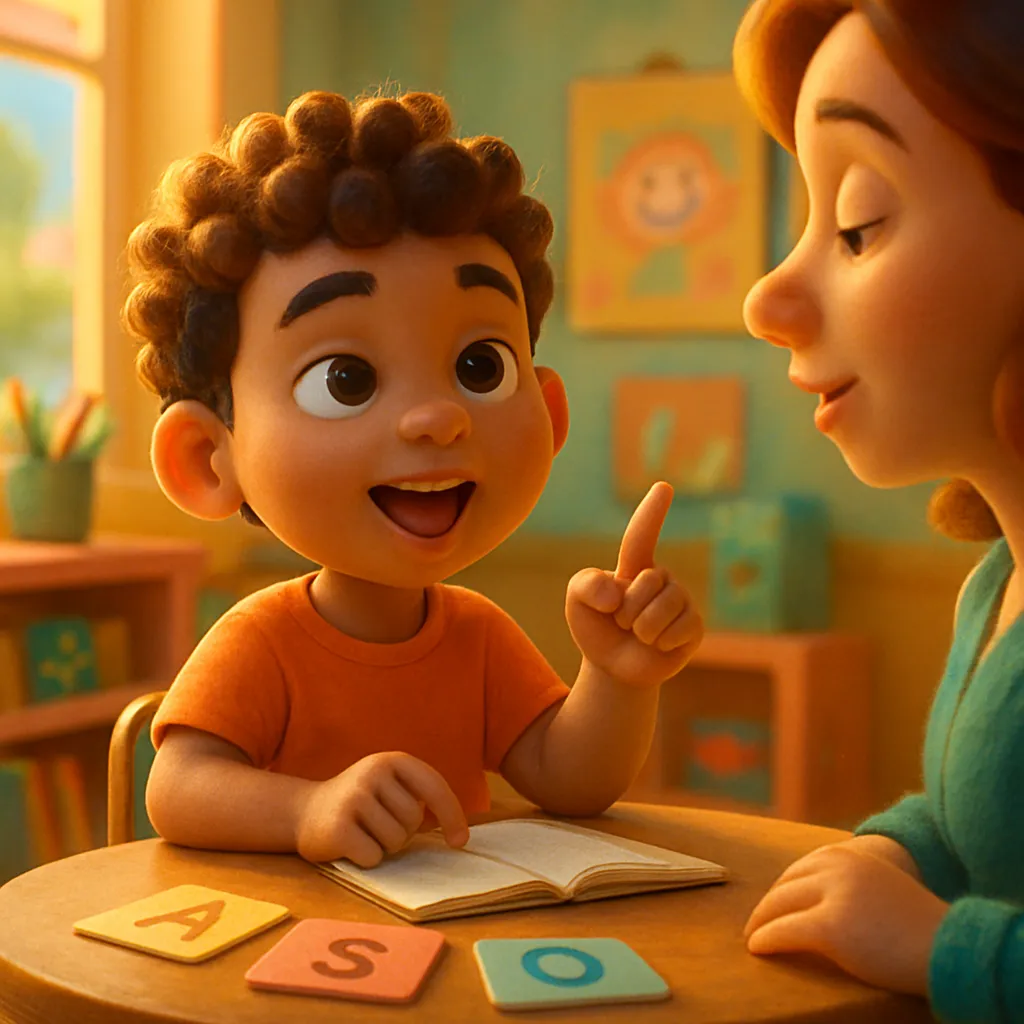
Common Causes of Speech and Language Delay
Speech and language delays can arise from various factors. Understanding potential causes helps families and professionals develop appropriate support strategies.
Neurodevelopmental Differences
Neurodevelopmental differences significantly influence how a child acquires speech and language skills. Autism spectrum disorder often involves differences in communication development, with some autistic children starting to talk later or developing language in unique patterns. Children with a learning disability may acquire speech and language skills more slowly and may require adapted teaching methods and ongoing support. Global developmental delay, where a child experiences delays across multiple developmental areas from birth to 18 years, commonly includes speech difficulties and a slower learning pace. Developmental language disorder refers to children who have significant, ongoing difficulties understanding or using spoken language, without other identified conditions. All these children benefit from tailored speech and language therapy programmes and educational strategies that support their learning profile.
Environmental and Social Factors
Children growing up in homes with limited language stimulation may have fewer opportunities to hear and practice speech and language skills. Responsive caregiver communication is associated with better language skills in children, highlighting the importance of regular, meaningful interactions. Children who experience limited social interactions, reduced exposure to conversation, or fewer opportunities for back-and-forth exchanges may show delayed language development. The level of confidence and information that parents have about child development can also affect a child’s progress.
Premature Birth and Medical Factors
Preterm birth represents a significant risk factor for early language delays. Research shows that preterm birth is associated with delayed language at both 18 and 36 months of age, with lower gestational age combined with provider-initiated delivery associated with the most severe and persistent language delays. Studies examining children born at less than 37 weeks’ gestation found that 35% experienced language delay, compared with 11.1% of term babies. The effect of preterm delivery appears substantial on both language production and comprehension at 18 months, with impacts persisting but diminishing by 36 months. Other medical factors include hearing difficulties, which can significantly impact a child’s ability to acquire speech and language. Neurological conditions affecting the brain regions responsible for speech production, such as cerebral palsy, can lead to challenges with articulation, speech clarity, voice control, and the coordination of breathing and speech. Brain injuries, whether from trauma, infection, or other causes, may affect a person’s ability to communicate and swallow.
Hearing Loss or Hearing Impairment
You may also be encouraged to arrange a hearing assessment for your child, as undetected hearing loss or hearing impairment can significantly affect how they learn to listen, understand, and use language. Even mild or fluctuating hearing difficulties, such as glue ear or otitis media (infection or inflammation of the middle ear), can make speech sound unclear, which in turn can slow speech and language development. If you have any concerns about your child’s hearing, your primary care physician (GP) can refer you to paediatric audiology services so that any hearing issues are identified and managed alongside speech and language support.
Early Signs of Speech and Language Delay in Babies (0–2 Years)
Recognising early signs of speech and language delays in babies enables timely assessment and support. During the first two years, children typically progress through predictable developmental milestones. In the first months of life, infants should respond to familiar voices, react to loud sounds, and produce various vocalisations to express pleasure and displeasure. By six months, babies typically look or turn toward new sounds, respond to changes in tone of voice, enjoy rattles and toys that make sounds, and begin to repeat sounds with their lips like “ma-ma”, “ba-ba”, or in the back of the mouth, such as “ka-ka”, “ga-ga”.
A visit to the paediatrician is required if, during the first year, there are parental concerns about:
- Lack of babbling and cooing as an infant
- Not responding to their own name by nine months
- Limited vocalisations or sound-making
- Not turning to familiar voices or showing interest in sounds
- Absence of gesture use, such as waving or pointing, by 12 months
Between the first and the second year, typical development includes understanding single words and simple phrases, following one-step commands, saying two to three words by 12-17 months, and building vocabulary to approximately 50 words by 24 months. Early identification of speech and language delay in children during this period can be made if the child:
- Speaks his first words significantly late
- Is not combining words by 24 months
- Has a very limited spoken vocabulary (fewer than 10 words by 18 months or fewer than 25 words by 24 months)
- Has difficulty understanding simple instructions
- Is not attempting to imitate words or sounds
Early Signs in Toddlers (2–3 Years)
Between ages 2 and 3, children’s language development accelerates rapidly. They typically use three- to four-word sentences, have a vocabulary of at least 100 words, begin using pronouns, and can follow instructions and two-step commands. Signs of potential speech and language delay in this age range are:
- Speaking fewer than 50 words or showing very limited vocabulary growth
- Not combining words into simple phrases like “more milk” or “go bye-bye”
- Difficulty being understood by family members
- Not asking simple one- to two-word questions
- Struggling to follow simple commands
- Showing frustration when trying to communicate
- Making a limited range of vowel and consonant sounds
- Frequently simplifying words or leaving off endings
A professional assessment would be beneficial for toddlers who: primarily use nouns and a few verbs, have difficulty engaging in age-appropriate play, have a family history of communication delay, or demonstrate mild comprehension difficulties.
Signs of Speech and Language Delay in Preschool and School-Age Children
If there are no prior assessments for speech and language delays, as children enter preschool and school age, the challenges can become more complex if left unaddressed. By three to five years, preschool children typically answer simple questions, group objects into categories, use 300-500 words, express ideas and feelings, and produce most speech sounds clearly. However, some challenging sounds may still be developing.
Signs of concern in preschool children who might have a speech and language delay:
- Speech that remains largely unintelligible to strangers at 38 months of age
- Difficulty answering “why” questions or understanding complex questions
- Struggles with sentence formation beyond simple three-word phrases
- Persistent challenges with specific speech sounds beyond typical development
- Limited ability to describe objects or tell simple stories
- Difficulty with rhyming, learning letter names and sounds, or phonological awareness
- Challenges in processing and understanding sounds in words
School-age children (6+) who continue to experience speech and language difficulties may show reading below expected levels, challenges in finding appropriate words to answer questions, difficulty with time management, or avoidance of tasks involving reading written language or writing. These children may also struggle with sequencing, following directions, or engaging fully in conversations.
Speech and Language Delay and Neurodiversity
Speech and language development follows different patterns in neurodiverse children, and understanding these differences supports appropriate, individualised care. Children whose brains are differently wired may acquire communication skills in unique ways that don’t always align with typical developmental timelines.
Autistic children often show distinct communication profiles. Some experience delays in spoken language, while others develop speech within expected timeframes but use language differently. Communication challenges in autism may include difficulty with social aspects of language, such as understanding non speaking cues, maintaining conversational turn-taking, or interpreting implied meanings. Many autistic children benefit from speech and language therapy that addresses their specific communication strengths and needs, with support tailored to their unique information-processing patterns.
Children with learning disabilities frequently experience speech and language delays as part of their broader developmental profile. These children may need adapted communication methods, visual supports, or augmentative and alternative communication systems to express themselves effectively. Conditions such as Down syndrome commonly involve difficulties with verbal production due to differences in muscle tone, alongside learning profiles that affect language acquisition. Developmental verbal dyspraxia, a learning difficulty affecting the coordination needed for speech, can co-occur with autism spectrum conditions, Fragile X syndrome, and other neurodevelopmental differences.
Early Intervention Strategies That Support Development
Families play a crucial role in supporting children’s language development through daily interactions and responsive communication. Research shows that caregiver-implemented interventions lead to notable improvements in children’s receptive and expressive language skills.
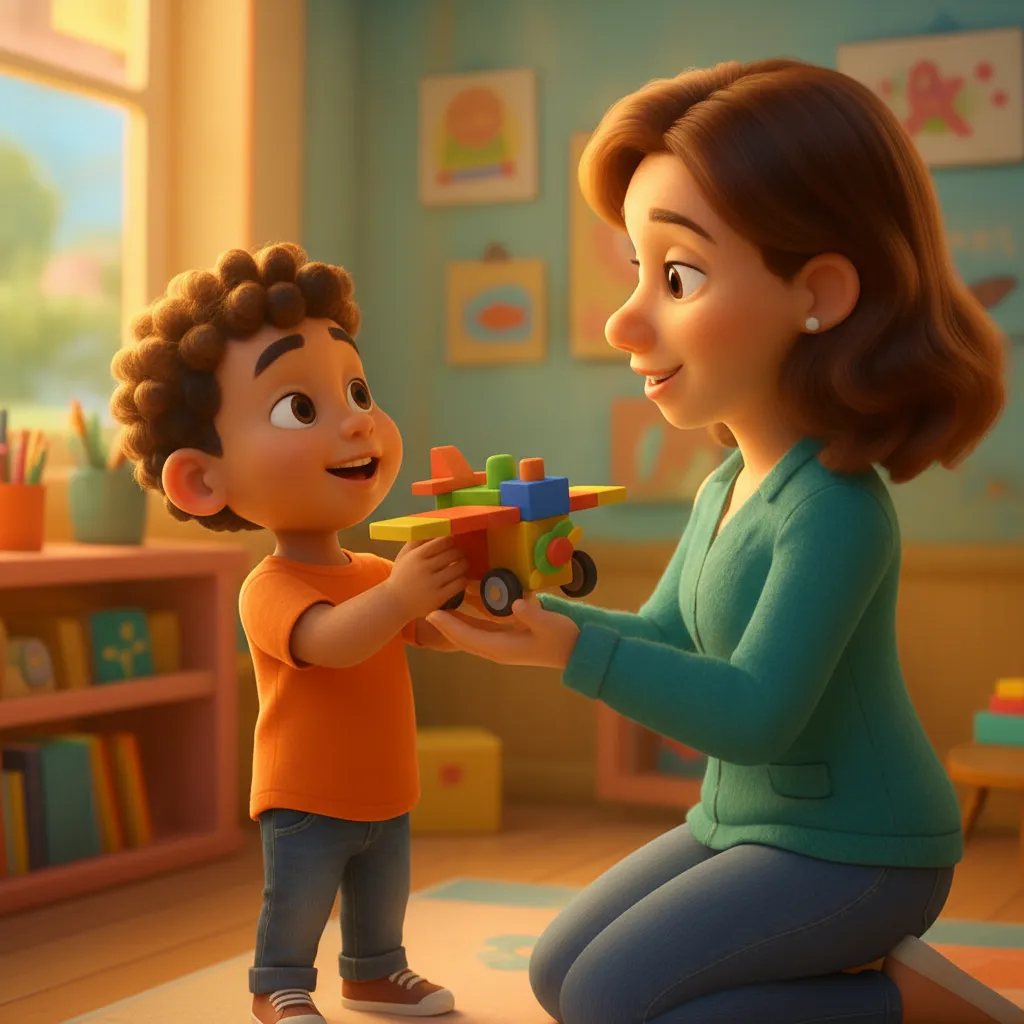
Creating a language-rich environment involves surrounding children with books, music, and opportunities for conversation. Reading together daily exposes children to new vocabulary and sentence structures, enriching their language skills. Singing songs and nursery rhymes helps children develop an understanding of the rhythm and sounds of language. Narrating daily activities provides a running commentary that reinforces vocabulary and helps children connect words with actions and objects.
Parents and caregivers can practice turn-taking in conversations, allowing plentiful time for their child to respond and showing that their communication efforts are valued. When a child produces a simple statement such as “dog big,” and the adult expands on the sentence by responding, “Yes, the dog is big,” this modelling of more complex language occurs without correction. Asking open-ended questions that encourage reflection and waiting patiently for responses give children practice formulating their thoughts.
Using visual supports, especially in early years, such as picture cards, communication boards, or gestures, can reinforce understanding and provide children with alternative ways to express themselves. These tools prove particularly valuable for children who struggle with verbal expression but understand concepts when presented visually.
Speech and Language Therapy
Speech and language therapy provides specialised assessment and support for children experiencing communication difficulties. Speech and language therapists are highly skilled professionals with in-depth knowledge of speech, language, and communication needs who work with children of all ages.
Therapy begins with a comprehensive assessment through case history taking, observation, and direct interaction with the child. This develops a detailed profile of a child’s communication strengths and needs, informing the personalised support strategies to be in place. Intervention approaches vary based on the child’s specific challenges. They may include modelling correct speech patterns, in which the therapist demonstrates appropriate sounds and language for the child to observe and imitate. Play-based activities make learning enjoyable and create natural environments where communication skills can flourish. Techniques such as parallel talk, in which the therapist or caregiver narrates the child’s actions in real time, reinforce vocabulary and create low-stress opportunities for language practice.
Speech therapy can address speech sound disorders, language comprehension difficulties, expressive language challenges, feeding and swallowing issues, and social communication needs. For children with additional support needs, speech and language therapists may introduce augmentative and alternative communication systems, write communication profiles, or develop personalised programmes that educators and families can implement consistently. The goal is to improve communication skills, build confidence, and support children’s full participation in their families, schools, and communities.
The Role of Parents and Caregivers
Parents and caregivers are the most important partners in their children’s communication development. Their daily interactions, responsiveness, and engagement provide the foundation for speech and language development.
Engaging in meaningful conversations with your child, even when they’re giving one-word answers, demonstrates that you value their communication. Getting down to your child’s level, reducing distractions, and giving them your full attention when they’re trying to communicate shows respect for their efforts. Providing choices whenever possible encourages children to use words to express their preferences, whether choosing among foods, selecting clothes, or deciding which book to read.
Interactive play that involves turn-taking naturally teaches conversation skills. Pretend play, storytelling with toys, and games such as peek-a-boo and simple board games provide opportunities for language practice in enjoyable contexts. Encouraging your child to interact with other children with strong language skills provides peer models and opportunities to practise communication and social skills.
Limiting screen time in favour of face-to-face interaction proves important, as personal engagement drives language development more effectively than passive screen exposure. When you use technology, choose interactive options that allow your child to respond and participate rather than simply watch.
The Power of Early Recognition and Support
Recognising speech and language difficulties early and seeking professional guidance can significantly improve outcomes. When parents notice potential delays, consulting a health visitor, GP, or speech and language therapist enables proper assessment and, if needed, access to intervention services.
Early intervention services often include not just direct therapy for the children but also education and support for families. Learning strategies to support your child’s communication at home maximise progress and ensure that language-building opportunities occur throughout the day rather than only during therapy sessions. Many children make substantial progress when intervention occurs early, as the brain’s capacity for learning and adaptation is greatest during the early years.
For children with neurodevelopmental differences, early identification and support can reduce the risk of additional challenges later in life. When communication difficulties are addressed proactively, children experience less frustration, develop stronger relationships, and participate more fully in educational and social settings. Support may evolve as children grow, with therapy goals and strategies adjusting to match their changing needs and abilities.
Early Intervention and Support with Unique Community Services
Unique Community Services’ approach to supporting children with speech and language delays reflects our commitment to person-centred care that recognises each child’s unique strengths and needs. We embrace augmentative and alternative communication systems, visual supports, and individualised strategies that honour how each child processes and shares information. Our support workers receive training in communication strategies to consistently implement therapy goals throughout the child’s day, maximising opportunities for practise and progress.
We implement early intervention strategies that identify potential challenges early and provide proactive support before difficulties compound. Our multidisciplinary approach brings together expertise from speech and language therapy, occupational therapy, and positive behaviour support to address the whole child. Families remain central to this process, and we provide guidance, training, and support to help you foster your child’s communication development at home and in community settings.
If you’re concerned about your child’s speech and language development, our team can provide guidance and ongoing support tailored to your family’s needs. Contact us today to learn how our clinical teams and support workers can help your child develop communication skills that facilitate connection, learning, and meaningful participation in their community.