

The Holiday Season and its Potential for Joy and Stress
The holiday season has the potential to bring you both joy as well as stress. Holiday anxiety is a type of stress that can occur around holidays, and it is different from everyday stress as it is linked to the unique expectations surrounding events, celebrations and traditions. Understanding holiday anxiety and recognising the effects it can have on mental health can help us cope and manage it effectively.
For some people, the holidays can bring a range of emotions due to reminders of lost loved ones or past experiences that can bring feelings of nostalgia or grief. The anxiety can cause other physical symptoms like fatigue and headaches, which can be enhanced due to disrupted routines. The pressure to host events, socialise and interact with others may be overwhelming, bringing feelings of losing the ability to plan and change routines.
Definition of Holiday Anxiety
Holiday anxiety is explicitly related to developing feelings of stress and anxiety related to holiday events or travelling, which often urges some people to avoid holidays altogether. Holiday anxiety can affect anyone,e including people who don’t usually develop holiday anxiety or have specific triggers.
Holiday stress can present in different ways. Whether it is a feeling of nervously awaiting an upcoming trip or worrying about meeting others, these are only some of the ways anxiety can be noticed. Other common holiday anxiety symptoms include:
- Fatigue
- Irritability
- Difficulty Sleeping
- Excessive Worry
- Changes in appetite
Some of the most common causes that can trigger anxiety may include:
- Financial pressures
- High expectations
- Family dynamics
- Loss and loneliness
- Changes in routines
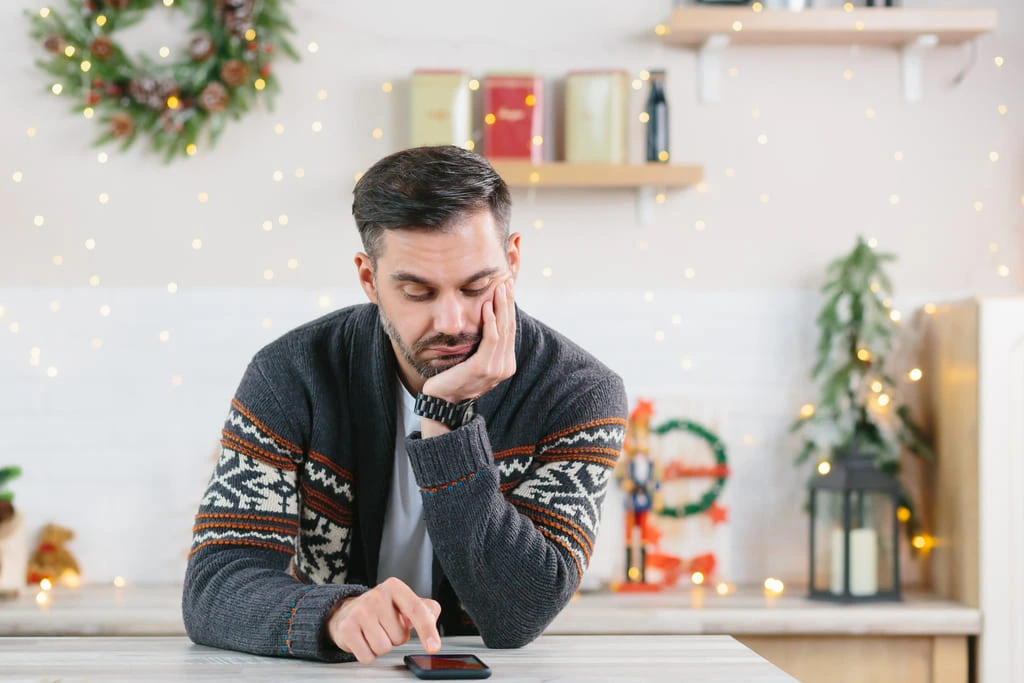
Strategies for Managing Holiday Anxiety
Managing holiday anxiety involves developing practical strategies focusing mainly on self-care and mindfulness. These tips can help you navigate the entire holiday season and feel more enjoyment and improved mental health.
One of the first strategies to help you navigate the holiday season starts with organising and planning. It is essential to focus on what you can control and plan in advance by researching and writing down how you want to spend your time. Planning your time can help you feel more relaxed and have a better time surrounded by family and friends.
Set Realistic Expectations
Setting realistic expectations is essential to feel more relaxed and joyous during the holidays. The holiday season brings many opportunities to get away from the tasks of daily life, explore and enjoy new environments, and have a chance to create new memories. If you have high standards, you risk developing unnecessary stress and disappointment as well as unrealistic expectations and it is crucial to understand that it is impossible to control every aspect of the holiday season. Setting realistic expectations means no holiday is perfect, and remaining flexible and accepting allows for a more enjoyable experience.
Establish Healthy Boundaries
Establishing healthy boundaries between your family and friends and sticking to them can give you peace of mind during the holidays. When buying gifts it is also a good idea to establish a boundary for spending so that you don’t feel overwhelmed and stressed about spending too much. This can help reduce the holiday anxiety caused by financial strain, as well as buy gifts that are meaningful and thoughtful.
Maintain Routines
Maintaining routines during holidays and travels is crucial for overall well-being. Routines keep you grounded and help you know how your days will look which is good for your mental well being. You can preserve routines by eliminating a lot of details that cause a worry about whether you can hold them. Schedule time in your day to relax and regain the energy that will help you enjoy every event that comes your way. Meditation and relaxation techniques can often help you maintain your routine and keep you focused and relaxed.
Self-Care Techniques for the Holiday Season
During the holiday season, it is important to practice self-care techniques to reduce stress when possible. Self-care helps with stress reduction as much as with the holidays and throughout the year. There are some techniques that you can use to enjoy the holiday season.
Mindfulness Practices
Developing mindfulness practices and sitting down and relaxing can help you feel connected and relaxed. Some ways you can practice mindfulness include:
- Laying down comfortably with your eyes closed
- Engage in slow, deep breathing
- Focus your attention on relaxing and enjoying the moment
Physical Activity
Movement can help you focus on the present instead of overthinking the past or the future. It doesn’t have to be working out for hours to notice the benefits, but it should be something you enjoy, even if that is as simple as dancing to your favourite song.
Maintaining a healthy lifestyle in the crowded and stressful holiday season can help you keep your routines and enjoy more during the holidays. Exercising and getting physical activity in your routine can help you maintain cognitive skills and attention, improve memory, and increase positive emotions that reduce anxiety and depression.
Prioritise Sleep and Nutrition
Lack of sleep can increase stress, so prioritising sleep and healthy nutrition is crucial. Developing healthy sleeping habits and meal plans can help you enjoy this holiday season even more. By prioritising your emotional health and well-being, you ensure you get enough sleep and good-quality food even while at different social holiday gatherings and travelling. Good sleep and nutrition can allow you to enjoy the holidays and make good memories with your loved ones.
Social Interactions During Holidays
One of the best steps to take when managing anxiety is to recognise its signs and its impact on your life. Social interaction and talking to someone you trust can help you with stressful holidays. Often, we feel that we need to manage our emotions on our own and feel like we are coping when we are not. Connecting with others can help you understand which parts of the holiday are causing you anxiet,y and talking can help you overcome these challenges.
Dealing with Family Gatherings
While you can enjoy spending time with family during the holidays, some people find spending time with extended family stressful. Some of the things you can do is to take a break from spending time with others by going outside for a few minutes or talking to someone you enjoy talking to. Taking some alone time can also be beneficial before reconnecting again with family members.
Combating Loneliness
If you cannot spend time with family and friends and are by yourself during this festive season, there are other ways to combat feelings of loneliness. You can connect with others through video calls or talking on the phone, which can help you feel less alone. Opening up to a loved one can help you calm down and get a new perspective on enjoying the holidays.
Self-care Priority and Professional Help
Self-care practices should be your priority in overcoming the stressful period around the holiday. Building bonds and fostering resilient, better mental health can help you overcome any challenges that may come your way. By strengthening your personal networks and communicating with others, you can enjoy this holiday season by feeling supported and even getting some help from a mental health professional if needed.
If you seek more help during this holiday season, don’t hesitate to contact our team at Unique Community Services today and see how we can help.
