

What Is ADHD in Adults?
Adult ADHD (Attention Deficit Hyperactivity Disorder) is a neurodevelopmental condition that affects attention regulation, executive functioning, emotional control, and reward processing. While it often persists from childhood, it may only become noticeable in adulthood, especially when the demands of work, relationships, and daily responsibilities expose difficulties with organisation, focus, and time management.
What is important to highlight is that ADHD is not just an attention problem, but primarily is an executive function disorder which affects time awareness, working memory, planning and emotional regulation.
In adults, hyperactivity often presents less as physical restlessness and more as internal restlessness and racing thoughts. Many individuals with lived experience emphasise that ADHD does not develop in adolescence or adulthood, reporting challenges that trace back to early childhood. For most, the diagnosis comes much later – often in their 30s or early 40s – which can be profoundly upsetting given the mental struggles they have navigated throughout life. Approximately 75% of adults with ADHD also experience at least one additional mental health condition, such as anxiety, depression, or substance misuse, underscoring the complexity of their experiences.
A man shares on an online forum: ”I discovered that I have ADHD at the age of 39, more or less by accident. I only found out because my son was diagnosed with Tourette’s and then ADHD. I basically thought ‘how can he have ADHD? There’s nothing weird about his behaviour, he’s just like me…… Oh wait….‘.”
Read more about Adult ADHD on the Rise: What Can Be Done?
Can Trauma Cause ADHD in Adults
Trauma does not directly cause ADHD, but it can mimic ADHD symptoms, worsen existing ADHD, or lead to conditions that look almost identical to ADHD. You might be questioning why it happens.
Understanding the relationship requires looking at three different possibilities:
- Trauma can create ADHD-like symptoms
- Trauma can co-occur with ADHD
- Trauma can intensify existing ADHD traits
Also, ADHD and trauma affect similar brain systems: the prefrontal cortex, responsible fr planning, impulse control, and attention; then the limbic system (emotional regulation) and stress hormone systems. Both conditions can disrupt brain areas responsible for attention and impulse regulation. Because these brain systems overlap, trauma responses are sometimes misinterpreted as ADHD. And now,since these systems overlap, care teams often need to evaluate developmental history, trauma exposure, and symptom patterns to understand the root cause of attention difficulties.
Discussions among adults with ADHD reveal several patterns. Many people describe:
- discovering ADHD only after trauma therapy
- questioning whether symptoms come from trauma or ADHD
- realising both conditions exist together
One person described the difference this way:
”ADHD symptoms tend to be lifelong and consistent, while trauma symptoms often intensify around triggers or stress.’
Why Adult ADHD Often Goes Undiagnosed?
For decades, ADHD was believed to affect only children, with the assumption that people would “grow out of it” by adulthood. This belief delayed recognition of adult ADHD for many years. Research began changing this perspective only in the last few decades, when studies showed that about 70% of children with ADHD continue experiencing significant symptoms as adults. One reason ADHD remains hidden is that its internal experience is difficult to describe.
Adult ADHD often goes undiagnosed because:
- It was historically seen as a childhood disorder
- Symptoms change in adulthood
- People develop coping strategies
- High-performing individuals mask their struggles
- Symptoms overlap with other mental health conditions
- Executive dysfunction is mistaken for a lack of discipline
Because earlier training in healthcare focused mainly on childhood ADHD, many doctors and therapists historically did not screen adults for the condition. As a result, entire generations grew up without ever being evaluated.
Adults often report feeling like:
- Their mind is constantly racing
- They are juggling too many thoughts at once
- They struggle to follow through on plans
- Their attention jumps between multiple ideas
Some describe life with untreated ADHD as trying to juggle tasks while balancing on a moving surface, requiring far more mental effort than most people realise.
Why ADHD Goes Untreated in Adults?
One of the biggest reasons ADHD remains untreated is because of a lack of awareness, being considered a condition that only affects children, because adult symptoms look very different from child symptoms, and because adults have managed to hide their challenges with time.
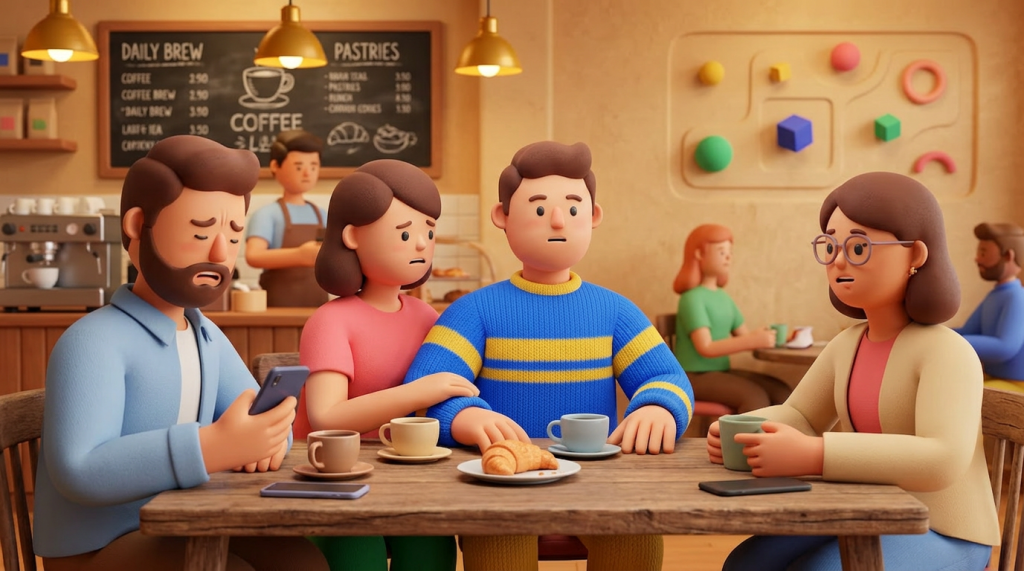
As we mentioned earlier, adults were rarely evaluated because it was assumed that people “outgrew” the disorder. Because ADHD symptoms can appear as everyday challenges, many adults interpret them as personality traits rather than signs of a neurodevelopmental condition. People who don’t live with ADHD often believe they are simply disorganised, forgetful, easily distracted, bad at managing their time, and inconsistent in their motivation. Over time, people often internalise these struggles as personal flaws rather than recognising them as symptoms.
Does Untreated ADHD Get Worse With Age
Untreated ADHD does not necessarily become biologically “worse” with age, but its impact often increases as life responsibilities grow. Hyperactivity in childhood may become internal restlessness or racing thoughts in adulthood. Adults may experience less visible physical activity but more difficulties with organisation, prioritisation, and sustained focus. Another reason untreated ADHD may appear to worsen is the accumulation of consequences over time. Repeated difficulties with deadlines, organisation, and follow-through can lead to chronic stress, relationship conflict, financial instability, or career setbacks. Over many years, these experiences may contribute to anxiety, depression, and reduced self-confidence, making the condition feel more overwhelming than it did earlier in life.
Interestingly, some people report that symptoms become easier to manage later in life if they develop strong routines, supportive environments, or better self-understanding. This shows that while untreated ADHD can create increasing challenges, awareness and support can significantly improve outcomes.
A young man living with ADHD wrote on a public forum:
”Meditation!? I can barely sit still, how do I meditate! I couldn’t meditate either. In fact, I hated it. No matter what, I couldn’t get my mind to go blank. I couldn’t calm down. I couldn’t relax. Until I figured out why… Turns out, I was doing it wrong. Because we with ADHD, need something different. Instead of a blank mind. We need a calm mind. To get that? I have 2 rules: Only meditate for 2–5 minutes. And focus on your breathing. The more I focus on my breathing in and out, the calmer I get throughout.”
Edward Hallowell, a Psychiatrist and ADHD specialist, and co-author of Driven to Distraction, promotes a strength-based approach, encouraging people to understand their ADHD and build strategies around it rather than seeing it purely as a deficit. His work emphasises that self-knowledge and awareness of strengths help adults manage ADHD more effectively. Also, a large international study(University of Bath, King’s College London, and Radboud University) found that adults with ADHD who recognised their strengths reported better well-being and quality of life
Common Signs of Untreated ADHD in Adults
While some signs are widely discussed, such as difficulty focusing or impulsivity, there are less commonly acknowledged indicators, like sensory sensitivities or hyperfocus, that can provide deeper insight into the adult ADHD experience.
Common Signs of Untreated ADHD in Adults:
- Chronic disorganisation and difficulty meeting deadlines
- Persistent restlessness and racing thoughts
- Time blindness (distorted time perception) – difficulty estimating time or feeling a sense of urgency until deadlines are very close
- Emotional dysregulation: mood swings, irritability, intense frustration
- Impulsive decision-making in finances, career, and relationships
- Low self-esteem and harsh self-criticism
- Difficulty sustaining focus and completing tasks
- Sleep disturbances and fatigue
- Sensory sensitivities to light, sound, or textures
- Periods of hyperfocus, where attention becomes intensely absorbed in one activity
- Relationship strain due to forgetfulness, inattention, or missed social cues
These signs, especially those often overlooked, highlight that untreated ADHD in adults is not simply “poor time management” or “laziness.” It is a complex neurodevelopmental condition that impacts executive function, emotional regulation, and sensory processing.
Emotional and Mental Health Effects of Untreated ADHD
Undiagnosed and untreated ADHD in adults can have profound emotional and mental health consequences. The constant challenges with attention, organisation, and impulse control often create a cycle of stress and self-criticism. Over time, these difficulties can lead to anxiety, depression, chronic stress, and low self-esteem, affecting both personal and professional life.
- Anxiety and depression: Struggling to meet deadlines, maintain relationships, or manage daily responsibilities can create persistent worry and feelings of hopelessness. Anxiety may present as constant restlessness, racing thoughts, or dread about upcoming tasks, while depression can emerge from repeated feelings of failure and underachievement.
- Chronic Stress: ADHD often means living in a constant state of cognitive overload. Planning, organising, and remembering tasks demands more mental effort than for adults without ADHD. This ongoing pressure results in chronic stress, fatigue, and burnout, which further impair focus and emotional regulation.
- Low Self-Esteem and Shame: Years of struggling with tasks others handle easily can damage self-confidence. Adults with untreated ADHD may internalise failure, developing feelings of shame and inadequacy. This can make it difficult to advocate for themselves or pursue opportunities, reinforcing a negative self-image.
- Emotional Dysregulation
Untreated ADHD is linked to difficulty managing emotions. Adults may experience sudden irritability, frustration, or anger over minor setbacks, alongside periods of intense excitement or enthusiasm that feel overwhelming. Emotional dysregulation can strain relationships and increase feelings of isolation, as others may misunderstand or misinterpret reactions.
In women, ADHD is frequently misinterpreted as mood disorders (bipolar disorder) or anxiety disorders, and many receive treatment without addressing the root cause – ADHD. This leads to deteriorated mental and physical health and chronic stress.
Long-term Effects of Untreated ADHD in Adults
Living with untreated ADHD as an adult can feel like being trapped in a constant cycle of overwhelm, frustration, and self-criticism. From the outside, your life might look chaotic, your mind is scattered, your home is cluttered, and your relationships feel strained. And inside, it can feel like you’re failing at everything. You see people around you start projects, pursue goals, and achieve milestones, and you want the same for yourself. But no matter how much you try, following through often feels impossible. You make plans to organise your work, hobbies, or daily life, but usually, they fall apart after just a few days. Sometimes you forget them entirely; other times, you remember and feel defeated, believing you simply can’t stick to anything. This creates a constant sense of failure, reinforcing negative self-beliefs and low self-esteem.
Many adults with untreated ADHD find themselves jumping between hobbies, jobs, or relationships without ever completing what they start. Over time, as a form of self-protection, some people stop trying to plan or control their lives. They focus only on the few activities that feel manageable, which are often enjoyable but unproductive, such as playing games or scrolling online. To others, it may look like apathy or choice, but in reality, it’s a coping mechanism to survive in a world that feels overwhelming.
Support For Untreated ADHD in Adults
The good news is that adults can manage ADHD symptoms with the right support, strategies, and professional guidance. Recognising that ADHD is not a personal failing but a neurodevelopmental condition is the first step toward reclaiming control and improving quality of life.
If a person suspects that has untreated ADHD symptoms, seeking a formal ADHD assessment from a specialist (psychiatrist, therapist) is the first thing to do. A proper diagnosis can open doors to tailored support, therapy, and, if appropriate, ADHD medications. In the UK, both NHS services and private clinics offer adult ADHD assessments. When it comes to therapy, Cognitive Behavioural Therapy (CBT), ADHD coaching, and psychotherapy can help people with adequate support. A multidisciplinary team – a coordinated group of professionals from different fields – can provide more comprehensive support than any single therapist or doctor alone.
Adults with ADHD often feel frustrated by repeated failures or conflicting advice. Multidisciplinary teams reduce this frustration by providing consistent guidance, monitoring progress, and collaboratively adjusting strategies. This creates a support network that addresses both practical and emotional challenges. Teams can also involve family members in therapy to help them understand ADHD, improve communication, and create supportive routines at home. This holistic approach often reduces long-term relational stress.
Read more about Therapeutic Approaches for Individuals With AuDHD.
How Unique Community Services Can Help
For adults living with untreated ADHD, therapy and clinical care are essential, but they often aren’t enough on their own. Community-based services provide practical, social, and emotional support in people’s own homes, helping adults build skills, confidence, and independence.
We have highly trained care teams, and we know how collaboration and the right support create better outcomes for the people we support.
Curious about how we make a difference? Download our case studies anytime from the box on your right – ready to follow you as you scroll the page.
If you or a loved one is struggling with complex ADHD, get in touch today to explore personalised support that meets your unique needs and helps you take control of daily life.
Offices: Manchesterand Leeds
