

What is Inattentive ADHD?
Inattentive ADHD (often called predominantly inattentive presentation of attention deficit hyperactivity disorder ADHD ) is a type of Attention Deficit Hyperactivity Disorder where the main difficulties relate to attention, focus, and organisation, rather than hyperactivity or impulsive behaviour. Inattentive ADHD refers to people who primarily experience inattention adhd symptoms, with little or no visible hyperactivity. This subtype is described in people as the ”daydreamer” type.
In attentive ADHD, hyperactivity is internalised, followed by racing thoughts, rather than physical restlessness. Studies suggest that this subtype is generally more common among women and young girls, and women with this type often describe wanting to focus but being unable to direct or sustain their attention consistently.
Read more about ADHD in women, the signs, challenges and support.
ADHD Without Hyperactivity
ADHD without hyperactivity is commonly referred to as the predominantly inattentive type presentation. It is a recognised form of ADHD where difficulty sustaining attention is the greatest challenge.
Simply put, ADHD without hyperactivity is not a ”milder” form of ADHD, but simply a different presentation. Unfortunately, because it is quieter and more internal, it is often overlooked, but it can significantly impact a person’s life without the right recognition and support.
How Does It Differ from Other Types of ADHD?
Inattentive-type ADHD differs from other types of ADHD mainly in how symptoms appear. While all forms of ADHD involve difficulties with attention, hyperactivity, and impulsivity to some degree, inattentive ADHD is characterised primarily by challenges with focus, organisation, and memory, without the noticeable restlessness or impulsive behaviour seen in other presentations. People may seem quiet, withdrawn, or prone to daydreaming, which makes this type less disruptive and therefore more likely to be overlooked, especially in girls and adults.
In contrast, hyperactive-impulsive ADHD is marked by visible behaviours such as fidgeting, interrupting, and acting without thinking, making it easier to identify, particularly in structured settings like school. Combined ADHD includes significant symptoms from both categories and is the most commonly diagnosed presentation. The key difference lies in visibility, where inattentive ADHD involves more internal difficulties, hyperactive and combined types present with external behaviours.
Common Signs and Symptoms of Inattentive ADHD
ADHD does not present in a single, fixed way, so it cannot be identified simply by observing a checklist of behaviours or their absence. Each person’s experience is different, which makes broad assumptions unreliable.

There are also common myths around self-testing. For example, some believe that feeling calmer after caffeine indicates ADHD, but this is inconsistent and not a dependable indicator. Similarly, using ADHD medication as a way to confirm a diagnosis is misleading. These medications can have noticeable effects on many people, not just those with ADHD, which is one reason they are often misused.
We list the most commonly recognised inattentive symptoms:
- Difficulty sustaining attention (easily distracted by surroundings or thoughts, difficulty concentrating on conversations, frequently ”zoning out” or daydreaming.
- Disorganisation and poor time management (difficulty organising tasks or daily routines, poor time awareness, struggles with prioritise tasks)
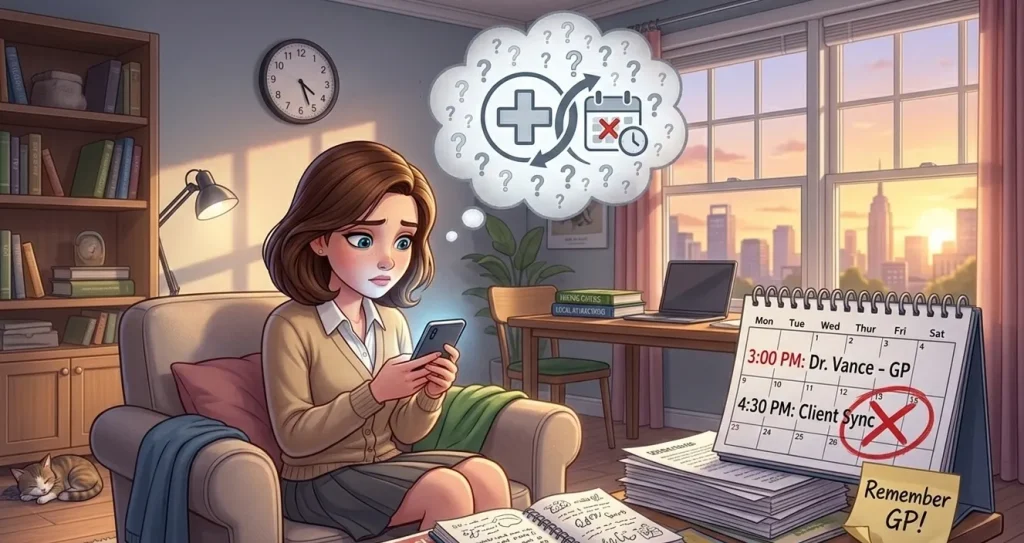
- Forgetfulness in everyday tasks (frequently losing items like keys, phone, forgetting appointments or responsibilities, missing important details)
- Difficulty following instructions and completing tasks (not finishing schoolwork, work tasks, task avoidance, difficulty following multi-step instructions)
- Appearing withdrawn, quiet, or ”in their own world” (quiet or low-energy behaviour, appearing not to listen when spoken to, being labelled as ”dreamy” or ”spaced out”.
- Mental fatigue and effortful concentration (mental exhaustion, difficulty staying engaged for long periods, reduced productivity despite effort)
Inattentive ADHD in Different Age Groups
As a cognitive difference that interrupts the ability to ‘do’, it manifests differently with age and as life demands increase, especially in personal relationships. Inattentive ADHD symptoms most of the time begin in childhood, yet they may evolve rather than disappear, often becoming more internal and complex over time.
Inattentive ADHD in Children
In early childhood, or pre-school years, how inattentive ADHD presents can be subtle and often overlaps with typical development, making it harder to identify. Primary symptoms may include a short attention span, difficulty following simple instructions, and frequently switching between activities. At this stage, diagnosis is uncommon, but early awareness helps family members notice patterns over time. Support focuses less on diagnosis and more on creating structure and helping children manage symptoms effectively through routine, simple instructions, and calm environments. The focus on early strategies can lay the foundation for how to treat inattentive ADHD later, if needed.
While in primary school age, this is the stage when inattentive ADHD becomes clearer due to more structured school expectations. Children may appear easily distracted, daydreamy, forgetful, prone to losing items, and struggle to follow instructions. But, there are some symptoms of inattentive adhd that remain overlooked in children in both age phases, and those are: looking ”shy” and ”well-behaved”, just because they are not as disruptive as hyperactive, impulsive symptoms of inattentive adhd are in children. They may sit calmly, avoid drawing attention to themselves, and appear compliant, leading adults to assume they are coping well.
Inattentive ADHD in Teenagers
During adolescence, demands increase (independent learning, social pressures), and inattentive ADHD may become more impairing. Unlike the more obvious hyperactive behaviours seen in some younger children, adolescents with predominantly inattentive ADHD tend to show subtle but impactful symptoms, such as:
- Difficulty organising homework
- Frequent distraction
- Trouble prioritising tasks
- Tendency to ”zone out” during lessons or conversations
The mental effort needed to plan, start, and complete tasks can interfere with everyday life and schooling. Adolescents with inattentive ADHD may find it particularly challenging to maintain relationships due to difficulties sustaining attention in conversations or remembering social plans, and this inattention can contribute to feelings of isolation or frustration. Teens may also experience emotional consequences, including feeling overwhelmed by schoolwork or pressure from peers, which can affect their mental health. Online communities such as forums show many teenagers and young adults sharing different and similar lived experiences of struggling to manage inattentive symptoms:
“I was a smart kid … at GCSE I could barely focus on anything; it was like there was this massive mental wall stopping me. … I miss lectures just because I forgot about them …” – UK student discussing focus and memory struggles.
For many teens, ADHD support groups and online communities (such as dedicated subreddits and British ADHD organisations) offer emotional support, practical tips, and shared coping strategies. These spaces can help young people understand that they are not alone in their experiences, such as missing deadlines, struggling to maintain relationships, or feeling misunderstood. They often emphasise the importance of obtaining a proper ADHD diagnosis through a clinician familiar with inattentive symptoms, as this is key not only for access to support but also for managing expectations, mental health support, and school accommodations.
Inattentive ADHD in Adults
In adulthood, inattentive ADHD often presents less as obvious attention problems and more as executive functioning difficulties. The common signs include:
- Chronic disorganisation in finances, work tasks, and routines that become serious work challenges
- Time management issues, such as difficulty managing time or prioritising
- Frequently losing items
- Struggling to complete tasks despite efforts

Adults may become easily distracted, find it hard to organise their time, and struggle to follow through on tasks, which, over time, leads to low self-esteem.
Read more about adult ADHD being on the rise, and what can be done about it.
Causes and Risk Factors
Inattentive ADHD is influenced by a combination of genetic, biological, and early environmental factors. Family history of ADHD, differences in brain development, premature birth, low birth weight, and prenatal exposure to substances to nicotine or alcohol can increase the likelihood of developing the condition. ADHD symptoms often include difficulties with attention, organisation, and managing a high mental load, while hyperactive symptoms may be absent, especially in adult ADHD or inattentive ADHD, making it ahidden diagnosis that can be missed for years. People with this presentation may struggle to focus for extended periods, appear forgetful, and experience frustration or mood swings, which are sometimes misattributed as mental disorders.
Understanding inattentive ADHD is essential for achieving a proper diagnosis, as its signs are less visible than hyperactive behaviours.
Inattentive ADHD vs Anxiety or Depression
Inattentive ADHD, anxiety, and depression can look similar, especially because all can affect concentration, but they differ in their underlying causes and patterns. Inattentive ADHD is a lifelong neurodevelopmental difference marked by persistent difficulties with attention, organisation, and memory across different settings, regardless of mood. In contrast, anxiety affects focus because of excessive worry and racing thoughts, while depression impacts concentration due to low mood, reduced energy, and loss of motivation.
The key difference lies in what is driving the difficulty: ADHD is consistent and not dependent on emotional state, whereas anxiety and depression are closely linked to changes in mood and stress levels.
Diagnosis of Inattentive ADHD in the UK
The process usually begins when someone notices ongoing difficulties with attention and focus, organisation and memory, and completing tasks.
- The first step is visiting a GP (General Practitioner)
- The GP will conduct an assessment asking about symptoms and how they affect daily life, review medical and mental health history and rule out other possible causes (e.g. anxiety, depression). If ADHD is suspected, the GP will refer the person to a specialist ADHD service, and children to a paediatrician or psychiatrist. (A GP cannot diagnose ADHD themselves; they can only refer.)
- After the referral, the person is placed on an NHS waiting list for specialist assessment. The problem is that waiting times can vary widely, often months to years, and therefore some people choose private assessment during this stage.
- Once people reach the specialist assessment, it is usually comprehensive and involves a detailed clinical interview, developmental history, structured questionnaires (standardised ADHD rating scales), and an assessment of other conditions.
- After the assessment, the specialist will either confirm ADHD or rule it out and suggest alternative explanations.
- If diagnosed, the next step may include a post-diagnosis support plan (psychoeducation, workplace or school adjustments, therapies, and ADHD medications, where needed).
Challenges in Getting Diagnosed
Diagnosing inattentive ADHD is thorough but often difficult to access. While NICE guidelines ensure assessments are detailed and accurate, challenges such as subtle symptoms, strict criteria, long waiting times, and the need for childhood evidence mean many people, especially those with inattentive ADHD, experience delayed or missed diagnosis.
One of the biggest systemic challenges in the UK is access to assessment. It brings significant delays in ADHD assessments due to high demand, and services struggle to meet the increased referrals.
“It’s annoying… these systems… should be able to spot people with ADHD” – a person with a lived experience has shared on an online ADHD platform.
Also, just because the symptoms are less visible doesn’t mean they don’t exist. Rather than people being referred, people are left under-recognised and left to be diagnosed later in life. Being undiagnosed brings the subject of leaving people with untreated ADHD in adults, which takes its toll on people’s well-being.
Treatment and Management Options
Management typically begins with psychoeducation to help people and families understand the condition, followed by practical strategies such as structured routines, breaking tasks into manageable steps, and adapting environments to reduce overwhelm. Psychological support, including cognitive behavioural therapy (CBT), Inattentive ADHD coaching and skills-based coaching, is often used to improve organisation, emotional regulation, and daily functioning. Medication may be introduced for moderate to severe symptoms, but only under specialist supervision, with careful monitoring and regular reviews to ensure it remains appropriate.
Ongoing support and person-centred care must be the foundations, and the whole sector must come to an agreement that the only way we can support people thrive is when we develop treatment options based on:
- Personalised care
- Shared decision-making
- Holistic approaches
- Long-term support and review
Practical Tips for Managing Inattentive ADHD
Practical tips for managing inattentive ADHD focus on supporting cognitive function, improving daily structure, and protecting overall mental well-being. Unlike hyperactive ADHD, where behaviours are more visible, inattentive ADHD often involves internal challenges such as struggling to pay attention, stay organised, or follow through on tasks. Understanding a person’s medical history and collaborating with healthcare professionals can help tailor supportive strategies to make everyday life more manageable and sustainable.
Breaking Tasks into Smaller Steps
Breaking tasks into smaller, clearly defined steps is a core strategy in cognitive behavioural approaches for ADHD, as it reduces overwhelm and supports follow-through. Large or vague tasks can feel unmanageable for people with inattentive ADHD, often leading to avoidance or procrastination; dividing them into specific, achievable actions (e.g. “open the document”, “write one paragraph”) creates structure and momentum. This method improves task completion by helping individuals focus on one step at a time, rather than becoming stuck by the bigger picture.
Using Reminders and Visual Aids
Using visual aids and reminders is strongly recommended as a way to compensate for memory and organisational difficulties. This includes alarms, phone apps, calendars, written notes, and visual prompts placed in key locations (e.g. on a fridge or desk). These tools “externalise” information that might otherwise be forgotten, reducing mental load and helping individuals stay on track with daily tasks and routines. NICE specifically advises using visual reminders and structured routines to support consistency and adherence in everyday activities.
Managing Focus
Managing focus with inattentive ADHD often involves adjusting the environment and working in shorter, structured periods, rather than relying on sustained concentration. UK guidance recommends reducing distractions (e.g. noise, clutter), using written instructions, and allowing for shorter focus intervals with planned breaks to maintain attention. Practical techniques such as timed focus sessions (e.g. 10–25 minutes) and prioritising one task at a time can help prevent cognitive overload. Lived experiences from ADHD communities also reflect that attention can quickly shift or “slip away,” so having systems in place to gently bring focus back is key to maintaining productivity and reducing frustration.
Strengths of Inattentive ADHD
While ADHD is often discussed in terms of challenges, it has also been increasingly recognised that people with predominantly inattentive ADHD can have notable cognitive strengths. Many people show a natural tendency towards deep thinking and reflection, often processing ideas in a more layered and contemplative way. What may appear as “daydreaming” can actually support complex problem-solving, insight, and the ability to see connections that others might miss. People with lived experience frequently highlight this reflective style as a strength in areas such as writing, analysis, and emotionally attuned thinking.
In addition, inattentive ADHD is strongly linked with creativity and imagination. The mind’s tendency to wander can fuel original ideas, storytelling, and innovative thinking, particularly in artistic or conceptual fields. Rather than following rigid, linear patterns, many people think in a more associative and expansive way, which can lead to unique perspectives and creative breakthroughs.
Supporting Someone with Inattentive ADHD
Supporting a person with inattentive ADHD involves understanding that their difficulties are often internal and not immediately visible. The importance of providing clear information, structured environments, and collaborative support is the basis of creating a life that feels joyful to people. This includes breaking tasks into smaller steps, using both written and verbal instructions, creating consistent routines, and reducing distractions where possible. Emotional support is equally important. Listening without judgement, recognising effort, and helping the person understand their strengths can improve confidence and engagement. Workplace or educational adjustments (such as quiet spaces or task-planning support) are also recommended to help people manage attention and organisation challenges effectively.
Support with Unique Community Services
In a complex care context, support goes beyond ADHD alone. The care we provide is always person-centred, holistic, and adapted to multiple needs, including co-existing conditions such as learning disabilities, mental health needs, or sensory differences. We offerintegrated multidisciplinary support (e.g., PBS, therapy, multimedia support) and clinical care tailored to daily structure and environmental adjustments, along with ongoing review and collaboration with families and professionals. This ensures that ADHD-related inattention is understood within the broader context of the person’s life, allowing support teams to respond to complexity rather than to a single diagnosis.
Explore our services.
We deliver personalised support across the UK, with offices in Manchester and Leeds.
When care feels personal, outcomes become possible – Unique Community Services
